The custom of blowing out Birthday Candles traces back to ancient Greece, where worshippers placed lit candles on round cakes to honor Artemis, the goddess of the moon. The glowing candles were meant to mimic the light of the moon, and the smoke rising from the blown-out flames was believed to carry prayers and wishes up to the gods. This practice was documented by classical historians studying Greek religious festivals and is widely cited by folklore researchers as the earliest known link between cake, candles, and a wish-granting ritual.
The tradition was later shaped further in eighteenth-century Germany, where a children's birthday celebration called Kinderfeste added the custom of lighting one candle for each year of life plus one extra for good luck, a practice historians consider the direct ancestor of the modern birthday cake ritual.
The Greek Origins in Detail
In ancient Greek religious practice, round cakes representing the moon were brought to the temple of Artemis and topped with lit candles to symbolize moonlight. According to accounts of Greek festival customs preserved by classical scholars, the candlelight was thought to give the offering a glow similar to the moon itself, making it a fitting tribute to the moon goddess.
Key elements of the original ritual
- Round cakes symbolizing the full moon
- Lit candles arranged to mimic moonlight
- Smoke from extinguished candles believed to carry prayers skyward
This early practice was tied to religious devotion rather than personal birthdays, but it established the core symbolic link between candlelight, cake, and a message sent to a higher power, a link that would evolve over the centuries.

How the German Kinderfeste Shaped the Modern Ritual
The version of the tradition most people recognize today took shape in Germany. Historical records of German family customs describe a celebration for children called Kinderfeste, where a cake was presented in the morning with one candle for each year of the child's life, plus one additional candle symbolizing hope for the year ahead.
Why this version stuck
- The candles stayed lit throughout the day until the family gathered for cake in the evening
- The child was asked to make a silent wish before blowing out the flames
- Successfully extinguishing every candle in one breath was considered a sign the wish would come true
This structure, a candle for every year plus one for luck, combined with the wish-and-blow ritual, forms the direct template still followed at birthday parties today, according to cultural historians who study European celebration customs.
Why People Believe Blowing Out Candles Grants a Wish
The belief that smoke carries a wish to the heavens has appeared across multiple ancient cultures, not just Greece. Fire and smoke were commonly viewed as a bridge between the earthly world and the divine, since flames rise upward and burn away rather than remain fixed like a written offering.
The combination of a silent wish, held breath, and a single exhale to extinguish the flame mirrors ritual patterns found in other candle-based traditions, such as votive candles lit in religious settings with a specific intention in mind. This shared symbolic thread likely helped birthday candle wishing spread and feel intuitive across different cultures as the custom traveled.
How the Tradition Spread Beyond Europe
As German and broader European immigrants settled in other parts of the world, the birthday candle custom traveled with them and blended into local celebration styles. By the early twentieth century, birthday cakes topped with candles had become a common fixture at parties across North America, often paired with the now-familiar birthday song sung just before the candles are blown out.
| Ancient Greece |
Candles on cakes offered to Artemis, moon goddess symbolism |
| 18th century Germany |
Kinderfeste introduces one candle per year plus one for luck |
| Early 20th century |
Tradition spreads globally alongside European immigration |
| Present day |
Birthday candles are a standard fixture at celebrations worldwide |
Modern Birthday Candle Traditions Around the World
While the core ritual of lighting, wishing, and blowing out candles remains fairly consistent globally, small variations exist across cultures. In some regions the birthday person is expected to blow out all the candles in a single breath, while in others, family members join in to help if the person cannot manage it alone.
Common variations seen today
- Number of candles matching the exact age of the celebrant
- An extra candle added for good luck in the coming year
- Silent wishes kept private so they are believed to come true
- Group singing of a birthday song immediately before the candles are extinguished
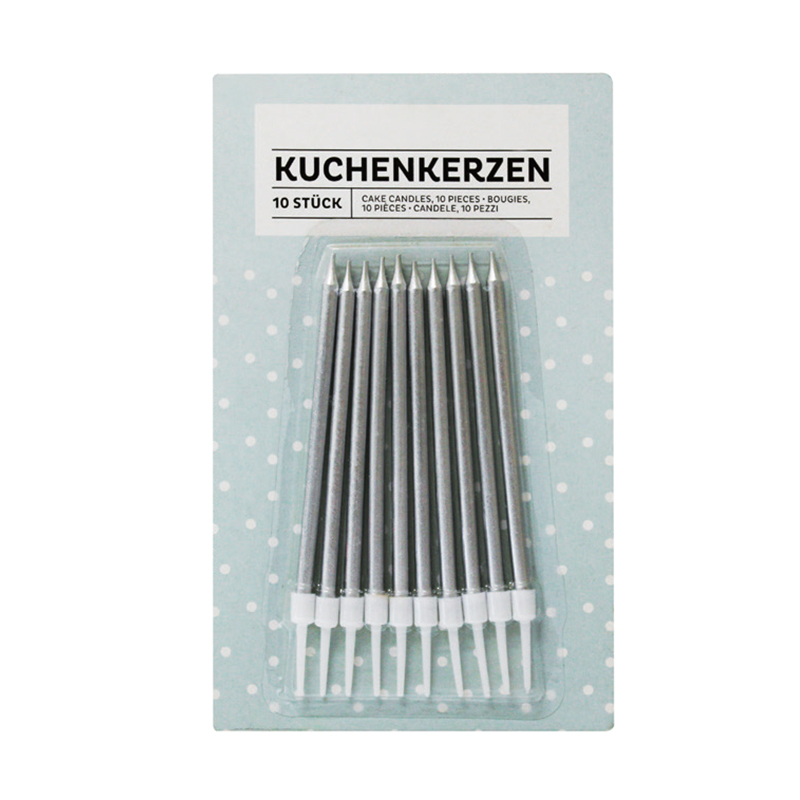
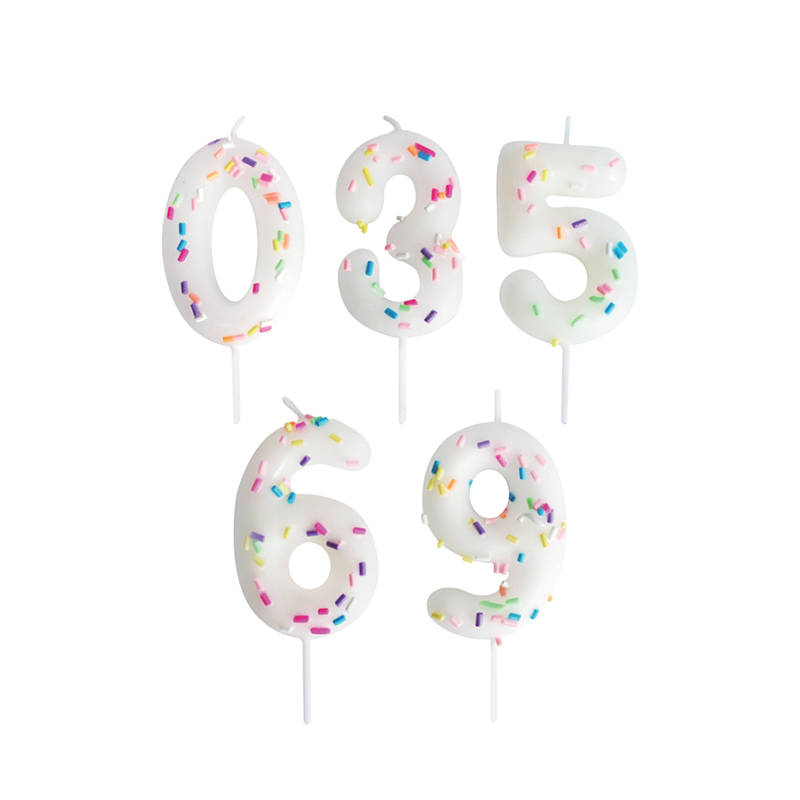
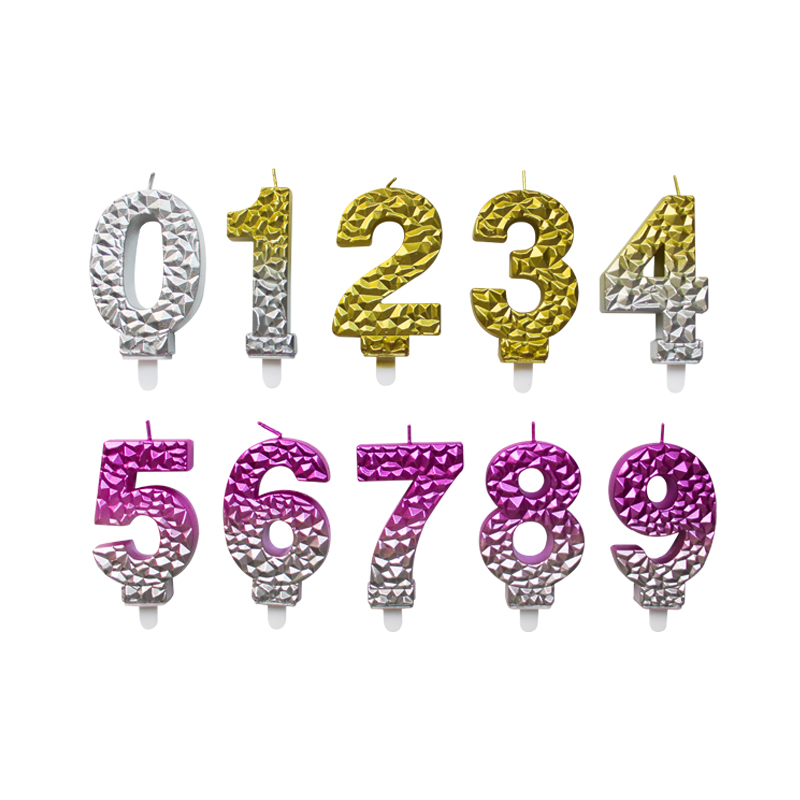
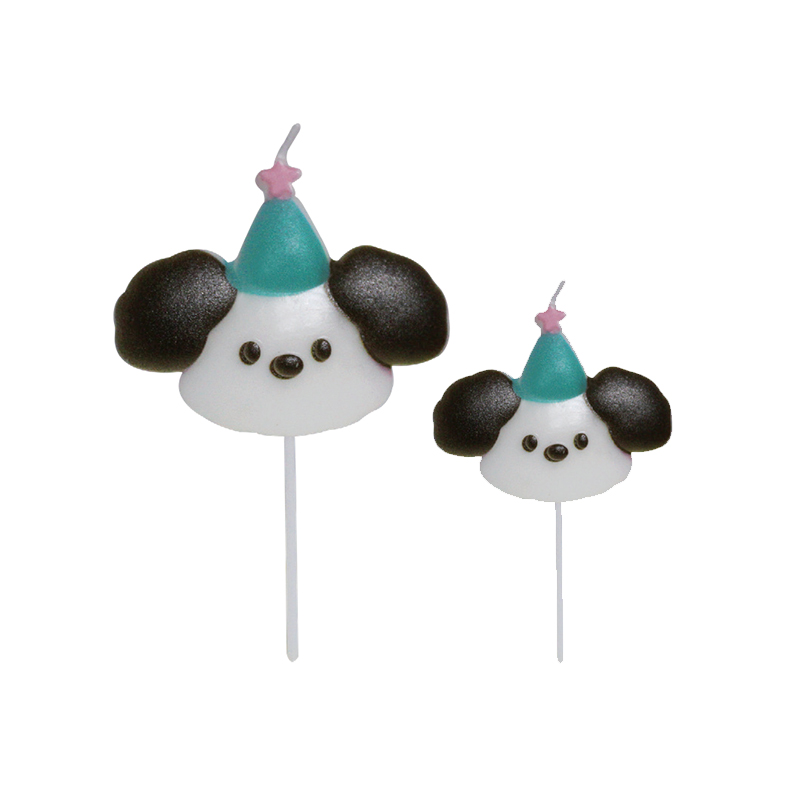
Modern candle products, including decorative Birthday Candles from Gewo, continue this centuries-old ritual by offering shapes, colors, and burn styles designed to fit contemporary birthday celebrations while preserving the same core wishing tradition.
Choosing the Right Candles for a Modern Celebration
Selecting birthday candles today involves more than just picking a color. Burn time, safety, and how the candle complements the cake design all matter for a smooth celebration.
- Standard taper candles for a classic, simple look on any cake style
- Number-shaped candles for milestone birthdays without needing dozens of small candles
- Drip-resistant wax formulas to keep frosting clean during the ceremony
- Longer burn times for larger gatherings where the singing and wishing may take a few extra minutes
Whatever style is chosen, the ritual itself remains rooted in the same idea passed down since ancient Greece, a lit flame, a quiet wish, and a breath that carries hope into the year ahead.